







Frequently Asked Questions
Find answers to common questions about EQYP Fitness Products.
What resistance level is considered “full body strength” training?
Full body strength training typically uses resistance levels of 50 lbs and above for power tubes, or 60-150 lb super bands, since these provide enough tension to challenge major muscle groups like the chest, back, and legs in compound movements.
Can resistance bands replace free weights for full body training?
Yes, for most strength goals. Bands provide variable resistance that increases as you stretch them, closely mimicking barbell strength curves for movements like squats, presses, and rows, while taking up far less space than a weight rack.
How many days a week should I do full body strength training?
3-4 non-consecutive days per week is typical for full body programs, allowing 48 hours of recovery between sessions targeting the same muscle groups.
What's included in a full body strength kit?
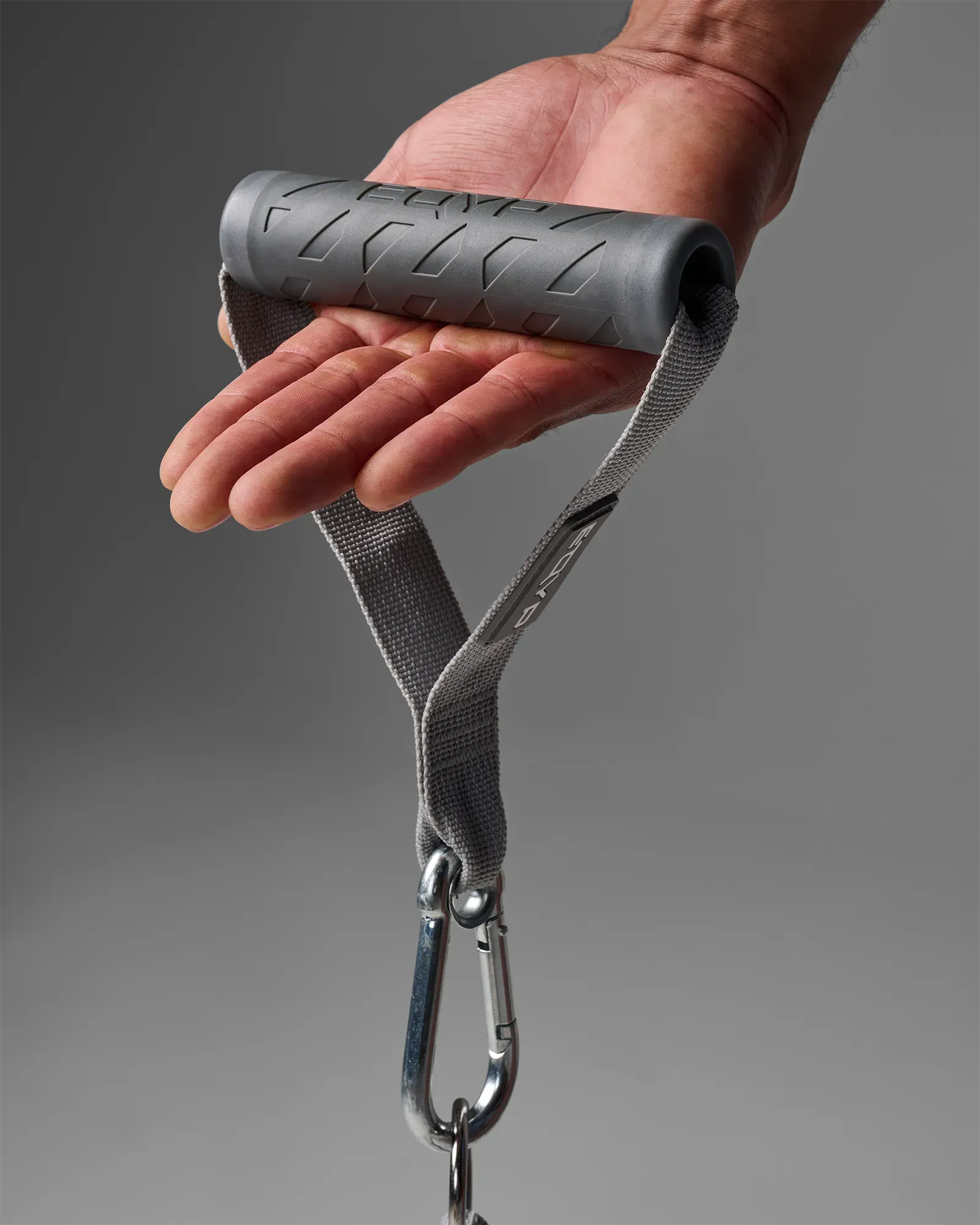
Most kits include 3-5 resistance tubes at different tension levels, handles, a door anchor, and ankle straps — enough to perform presses, rows, squats, and core work in one set.
Do I need heavier resistance bands as I get stronger?
Yes. Progressive overload — gradually increasing resistance — is how muscles continue to adapt and grow stronger. Most lifters move through several resistance levels over months of consistent training.
Are super bands only for assisted pull-ups?
No. While super bands are popular for pull-up and dip assistance, they're equally effective for heavy squats, deadlift accommodating resistance, and looped lower-body work.