

Woman in a kneeling bird-dog pose with one knee balanced on a teal EQYP Balance Disc, extending opposite arm and leg for a stability exercise.

Improve Balance

Instability tools that train coordination, proprioception, and steady footing.

Filters

Sort by:

4 products

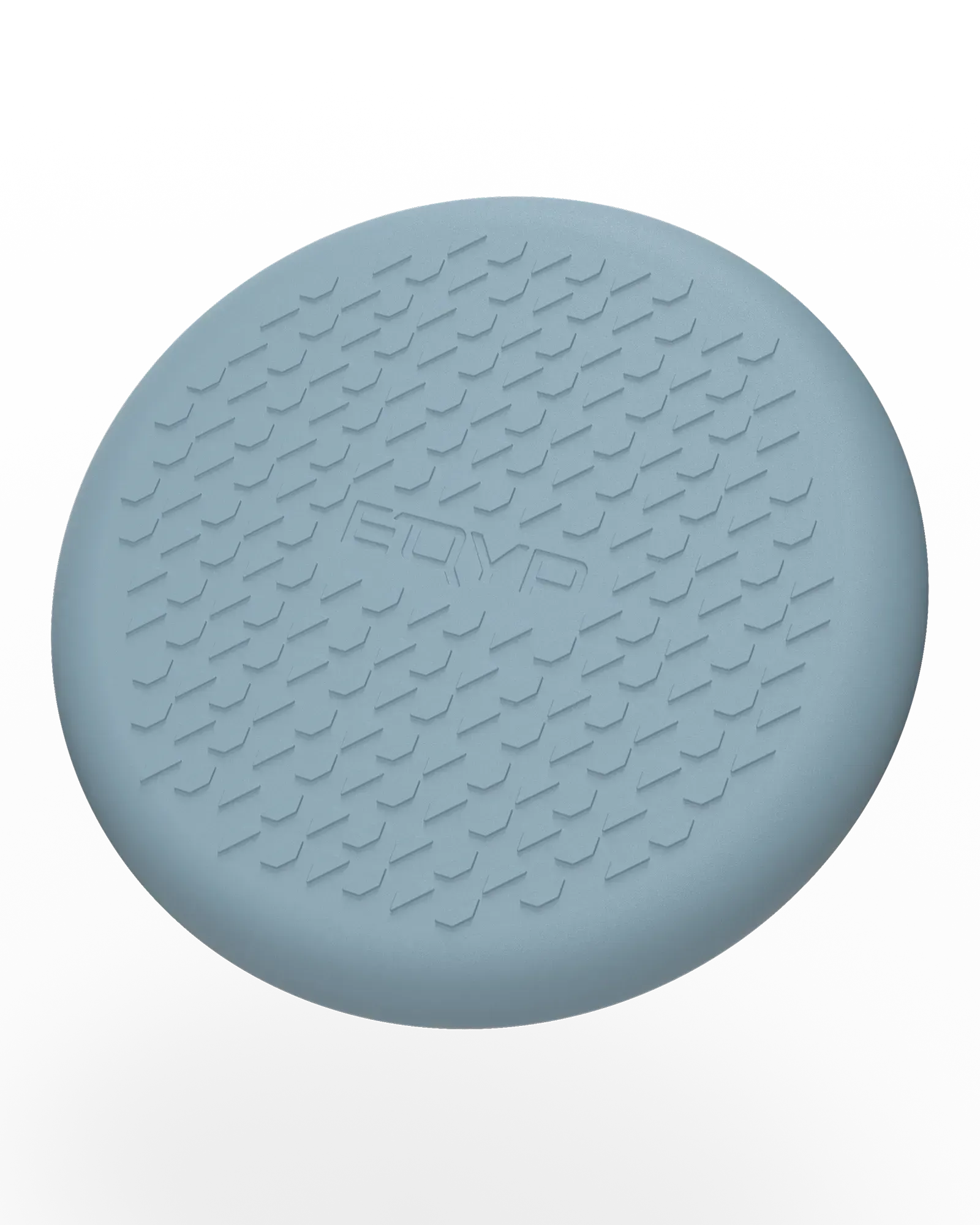
Woman performing a kneeling contralateral balance reach on EQYP Balance Disc with one arm extended forward, front-angle viewEQYP Balance Disc in slate blue showing embossed non-slip texture pattern and EQYP logo on top surface
Balance Disc Sale Price$29.99
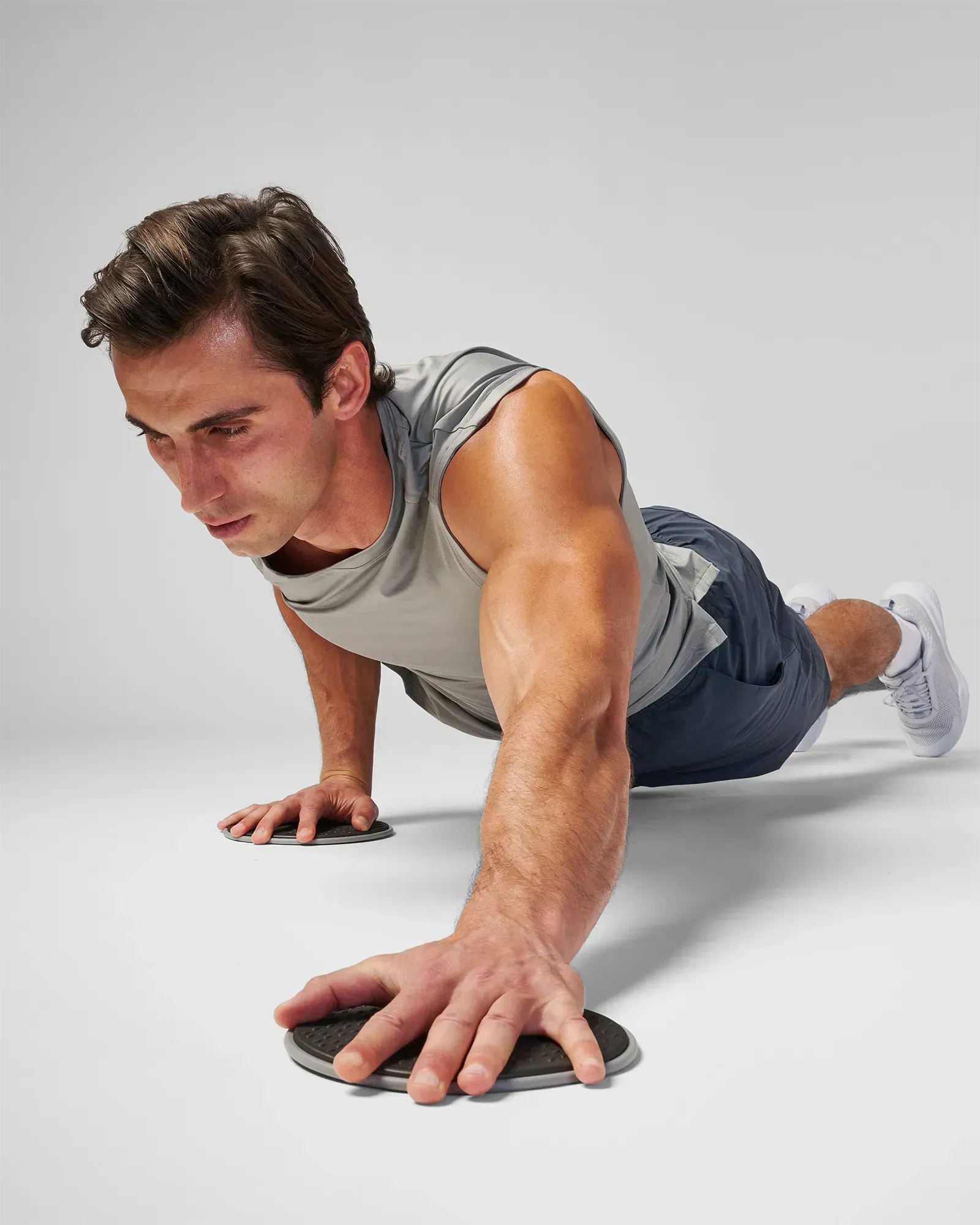
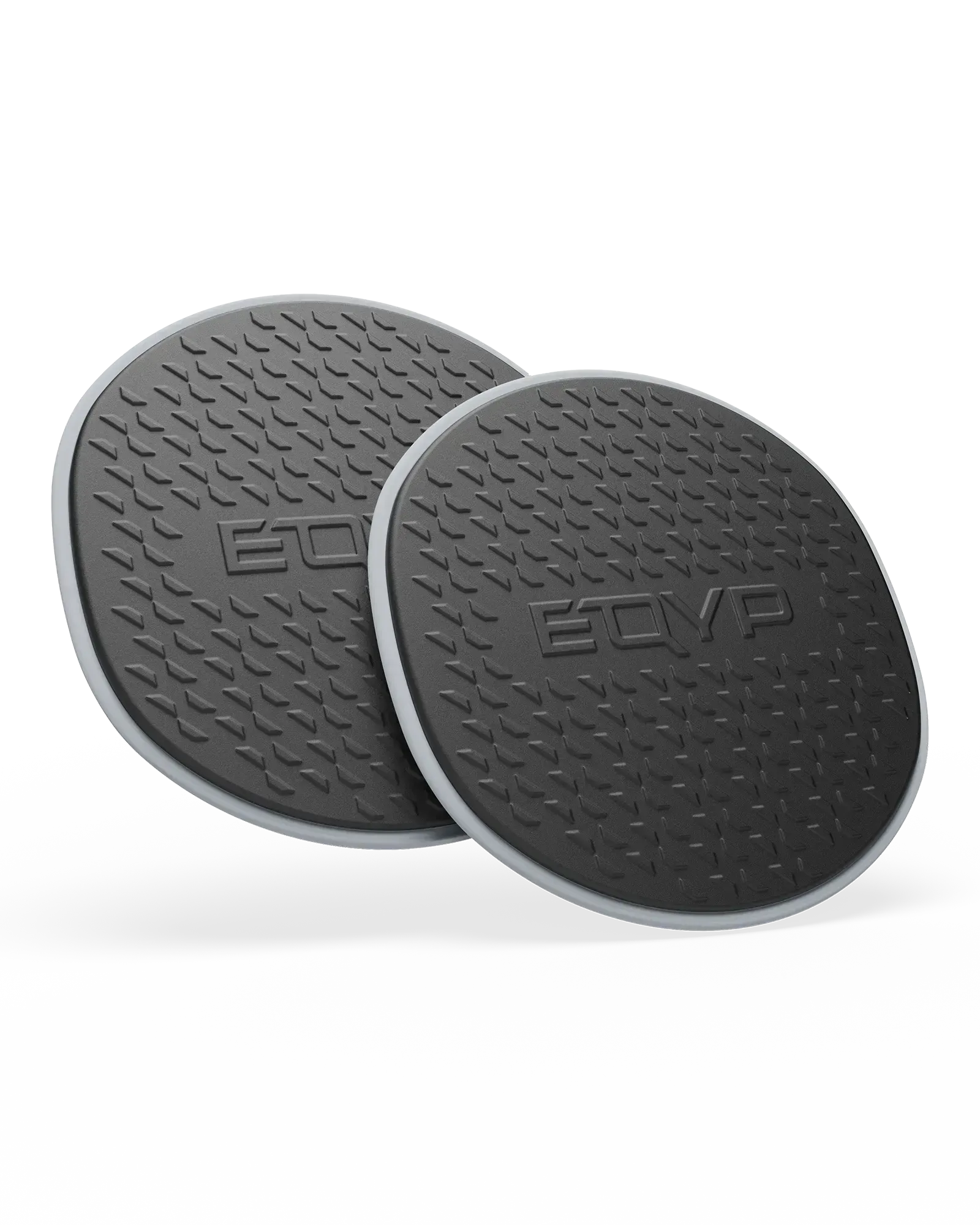
Man performing a sliding bilateral chest fly in a plank position using EQYP Sliding Discs under both handsTwo EQYP Sliding Discs showing dark gray textured surface with embossed EQYP logo and gray edge rim
Sliding Discs Sale Price$32.99
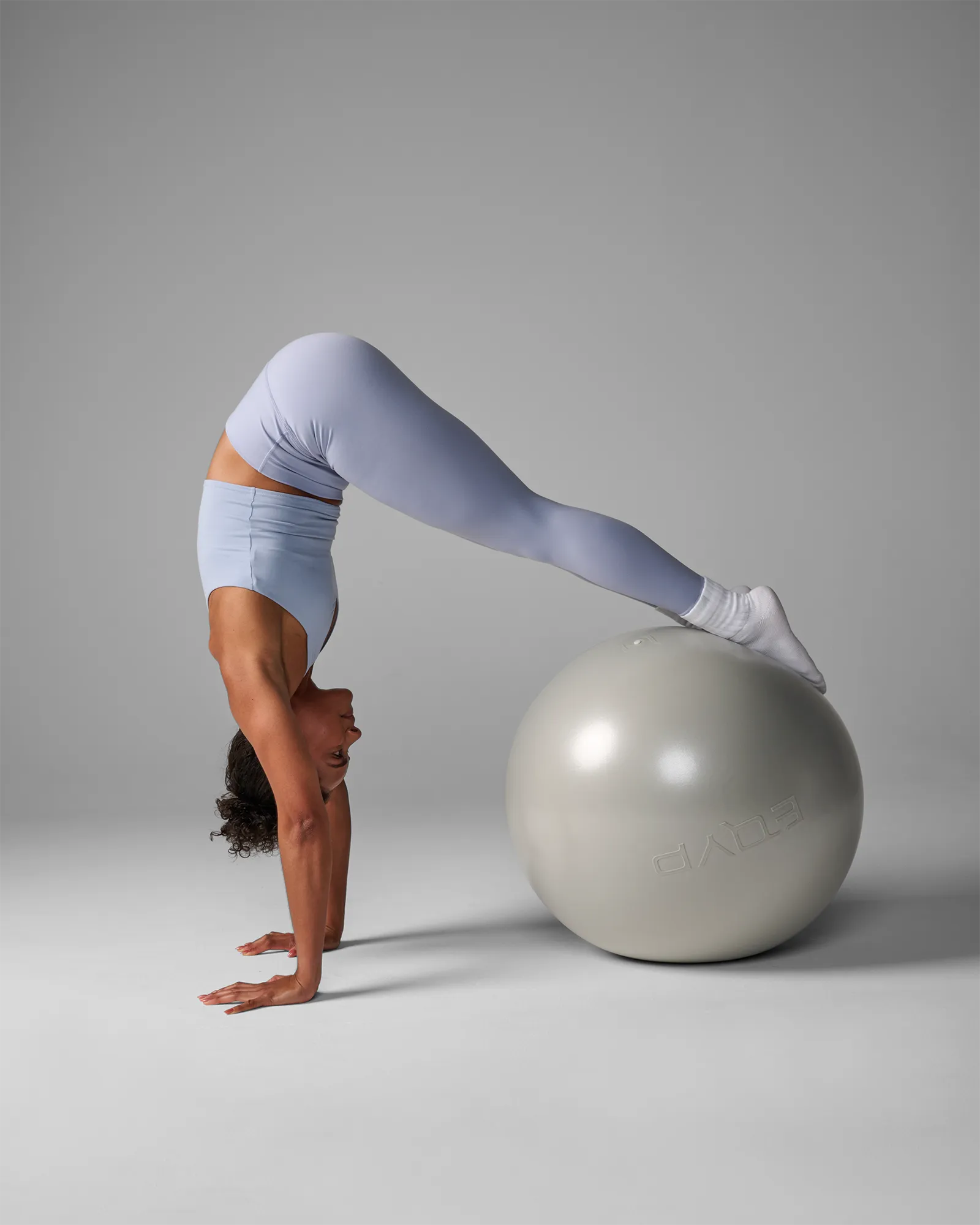
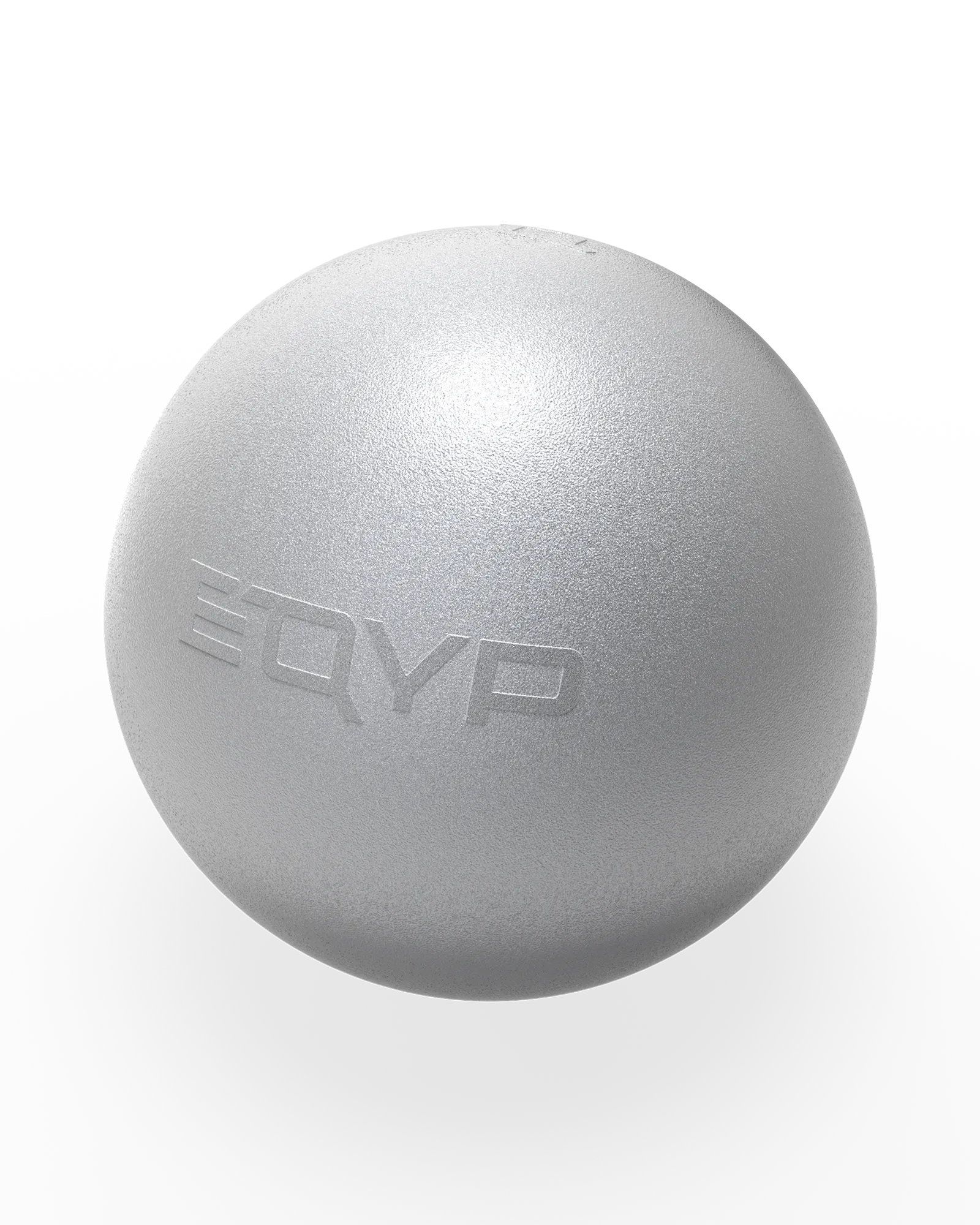
Woman performing a stability ball pike using an EQYP Pro Stability Ball 55cm in pearl white with feet elevated on the ball and hands on the floorEQYP Pro Stability Ball 55cm in silver gray with embossed EQYP logo on textured surface
Pro Stability Ball (55cm) Sale Price$34.99
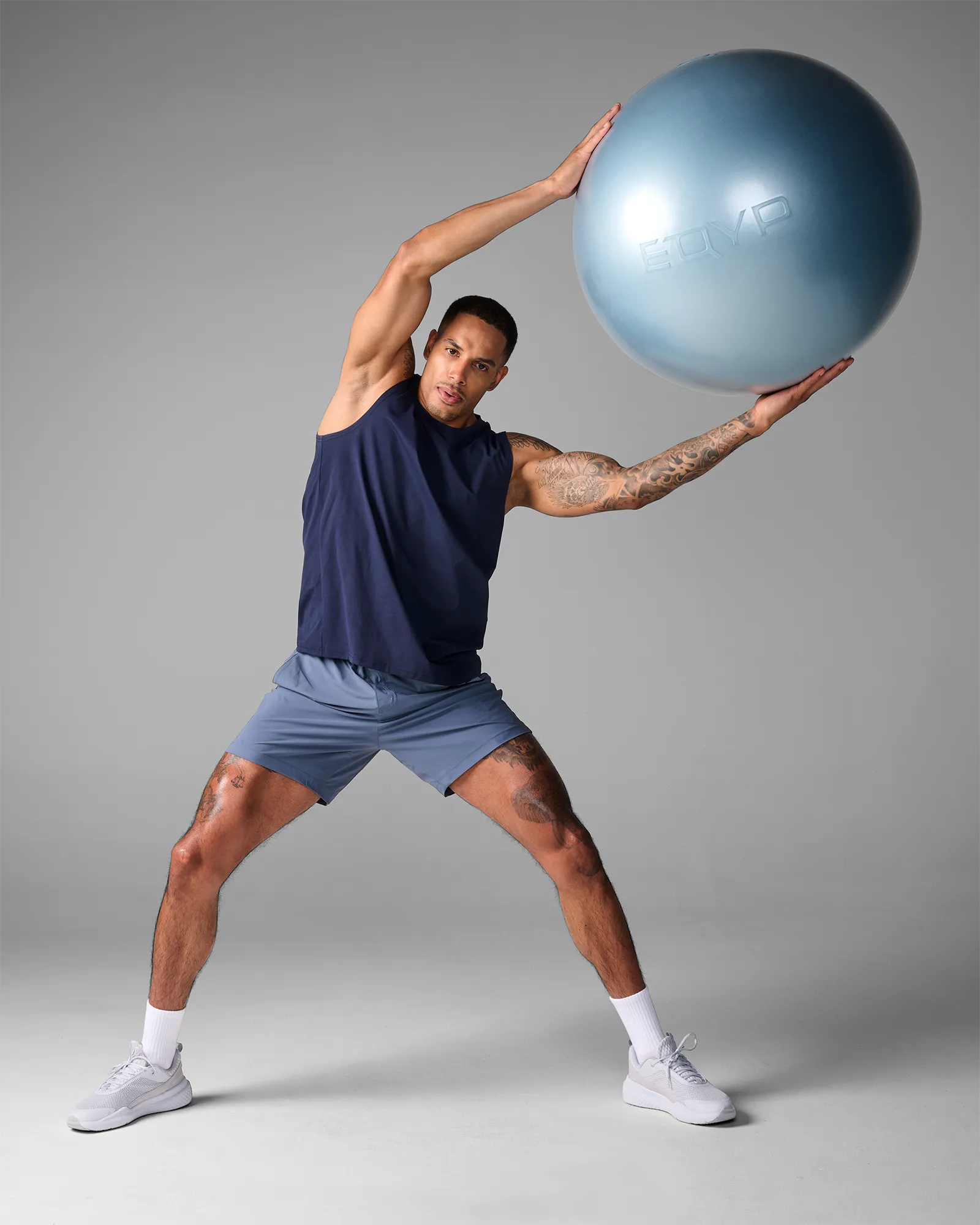
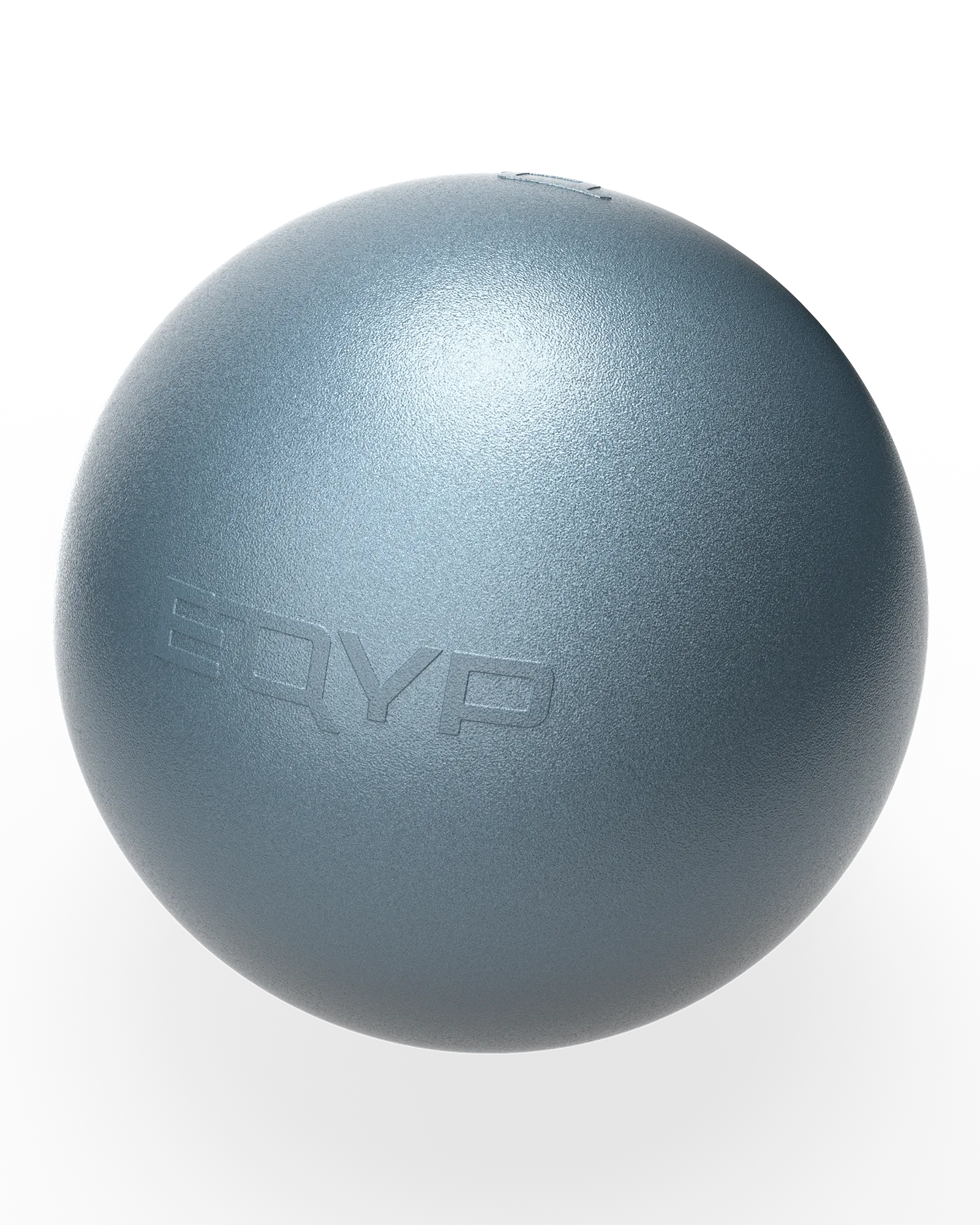
Man performing a standing unilateral lateral stretch holding an EQYP Pro Stability Ball 65cm overhead with a wide stanceEQYP Pro Stability Ball 65cm in slate blue with embossed EQYP logo on textured surface

Balance Training Equipment

Balance training challenges the small stabilizer muscles that keep you steady on uneven surfaces, in single-leg movements, and during dynamic sports. Balance discs, sliding discs, and stability balls create controlled instability that builds coordination without added weight.

Choose Your Tool

  • Balance discs: dual-textured, air-filled discs for standing balance drills and ankle stability work.
  • Sliding discs: low-friction discs for lunges, mountain climbers, and core-engaging glide movements.
  • Stability balls (55/65cm): full-body instability training for core, balance, and light strength work.

Balance training is especially valuable for athletes recovering from ankle or knee injuries, and for anyone who wants to reduce fall risk or improve performance in sports that demand quick changes of direction.

Frequently Asked Questions

Find answers to common questions about EQYP Fitness Products.

What is balance training and why does it matter?

Balance training strengthens the small stabilizer muscles around your ankles, knees, and hips that keep you steady during everyday movement and athletic activity. It reduces injury risk and improves performance in sports requiring quick direction changes.

What's the difference between a balance disc and a sliding disc?

A balance disc is an air-filled cushion you stand or sit on to challenge stability in a fixed position. A sliding disc has a low-friction surface designed to glide across the floor, used for lunges and controlled sliding movements rather than static balance.

Can balance training help with ankle or knee rehab?

Yes. Balance discs and similar instability tools are commonly used in physical therapy to rebuild proprioception (your body's sense of position) after an ankle sprain or knee injury.

How often should I do balance training?

2-3 times per week is enough to see improvement, either as a dedicated session or as a 10-15 minute warm-up before other training.

Can beginners use a stability ball for balance work?

Yes, starting with simple seated or kneeling exercises on a stability ball builds core control before progressing to standing or single-leg balance drills.

Does balance training build muscle, or just coordination?

Balance training primarily improves coordination and stabilizer muscle endurance rather than building large muscle size, but it complements strength training by improving control during heavier lifts.